A Mediterranean-style patio is less about a fixed plant list than about a mood: warm stone underfoot, a little shade, and plants that look as though they have always been there. The difficulty is that these patios are genuinely harsh places. Pots heat up fast, pale walls bounce light back onto the leaves, and one forgotten week in July can undo a whole season of good intentions.
The encouraging part is that the plants which suit this setting are among the most forgiving you can grow, as long as you get three things right: the right species, the right compost, and a watering habit built around how containers actually behave rather than how we imagine they do.
Read the patio before you buy a single pot
Start with the space, not the nursery shelf. Which way does it face? A west-facing wall holds heat well into the evening, while an east-facing one dries out by mid-morning and is far kinder to young plants. Count the hours of direct sun in midsummer instead of guessing. Most Mediterranean plants want five or six hours at minimum, and the ones that sulk in shade — lavender, cistus, santolina — will make their opinion clear within a season.
Then look at three practical details: where water goes when it rains, where wind funnels between buildings, and how hot the paving becomes underfoot. A terracotta pot standing on stone against a sunlit wall is a much harsher environment than the air temperature suggests, and the roots pressed against the sunward side of the pot will be the first to suffer. If a spot is brutally exposed, either reserve it for the toughest silver-leaved plants or shade the container itself. A larger empty pot used as a sleeve, or simply a board leaning against the hot side, does more good than another litre of water.
Note the rain shadow, too. Under a wide eave, pots stay dry even through a wet week — fine for rosemary, disastrous for anything you assumed the sky was looking after.
Twelve plants that earn their place
You do not need many. A handful of structural plants, a few fillers and something that spills over the pot edge will carry a patio through the year. These are the ones that survive neglect and heat without looking punished.
Structure, scent and silver leaves
- Rosemary — the backbone of a dry patio. Upright forms work as a small hedge in a long trough; prostrate forms soften a wall. Water it well for its first summer, then treat it meanly.
- Lavender — Lavandula angustifolia for fragrance, L. stoechas for heat and a longer season. Both demand sharp drainage and full sun; neither tolerates wet roots in winter.
- Olive — a young tree in a large pot gives instant Mediterranean structure. It is slow, tolerant of drought and wind, and happy to be root-restricted for years.
- Rock rose (Cistus) — papery flowers in white, pink or crimson, and foliage that shrugs off heat. Give it space, because it resents being crowded and clipped hard.
- Santolina — feathery silver or olive-green foliage that looks deliberate even when nothing is flowering. Trim lightly after bloom to keep it compact.
- Teucrium fruticans — grey stems, small silver leaves, blue flowers in summer. Excellent against a warm wall and rarely troubled by anything.
Fillers, spill and flowers
- Thyme — the best plant for the front edge of a pot, where its roots dry fastest. Creeping forms drape nicely over terracotta.
- Sage — broad grey leaves and a strong scent. Cut it back after flowering to stop it going woody.
- Scented pelargoniums — lemon, rose and mint varieties are tougher than their delicate look suggests. They flower best with a little afternoon shade.
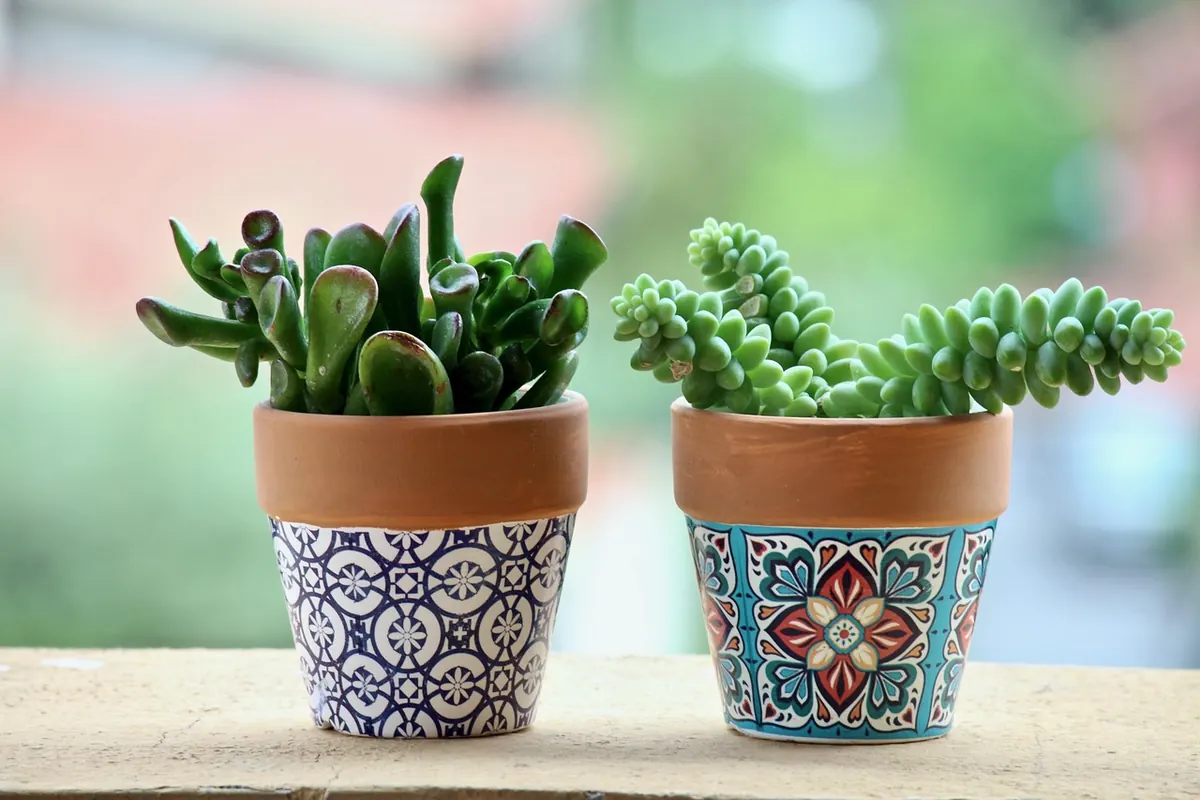
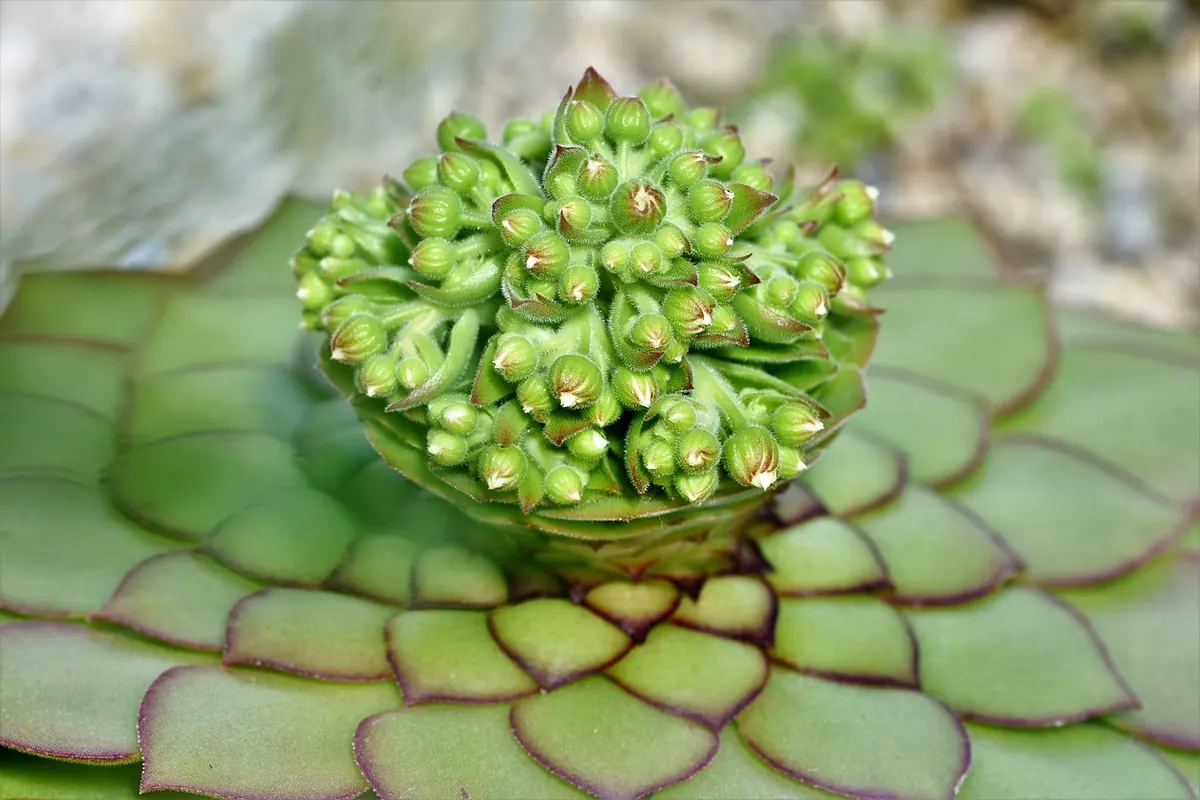
- Stonecrop (Sedum) — fleshy leaves, late flowers for pollinators, and almost no water needed once established.
- Gazania or portulaca — low, bright and relentless in full sun. Both open only when the light is strong, so save them for the brightest corner.
- Ornamental grasses — Stipa tenuissima or blue fescue add movement and catch the light beautifully. Cut them back in late winter.
What to leave on the shelf: hydrangeas, fuchsias, mint in small pots, and any plant sold as a thirsty foliage specimen. They will drink your summer.
Potting: drainage first, richness second
Most failures with these plants are potting failures, not watering failures. Begin with a container that has a clear drainage hole — wide enough to see — and raise it on feet so water escapes freely. Bigger is generally better: a larger volume of compost holds steadier moisture and temperature, so a generous pot is easier to manage than three small ones.
For the mix, use roughly two parts good peat-free multipurpose compost to one part horticultural grit or perlite. For lavender, rosemary, cistus and santolina, push it to half grit; they want lean, sharp, airy conditions rather than richness. Skip the layer of gravel in the base — it does not improve drainage and can make the bottom of the pot hold more water, not less. A top dressing of gravel over the compost surface is the better use of it, since it slows evaporation and keeps the crown of the plant dry.
Plant at the same level it sat at in the nursery pot, firm gently, water thoroughly until it runs from the base, and keep the pot in light shade for a few days before moving it into full sun. A plant that goes straight from a shaded nursery bench to a hot wall often scorches, even a tough one.
Watering: deep, infrequent, and adjusted to the pot
Drought-tolerant does not mean water-free, particularly in the first season. New plants have roots that are still confined to the original rootball, so they need regular help until those roots reach the edges of the container. Expect to water new plantings two or three times a week in hot weather. Once a plant has filled its pot and been through a full summer, cut back sharply and water only when the compost has dried a few centimetres down.
When you do water, water properly: fill the pot until it runs out of the base, then wait. Little daily sprinkles keep roots near the surface and leave the lower compost dry. Judging by weight is more reliable than judging by look — lift the pot, or push a finger in past the first knuckle. Early morning is the best time, since the plant has the day to use the water and foliage dries quickly.
Read the leaves. Wilting at midday that recovers by evening is normal and not a crisis. Wilting that stays put means water. Yellowing lower leaves, soft growth and a sour smell from the compost mean the opposite — too much water, usually in winter. Rosemary and lavender are killed by wet roots far more often than by drought. Empty saucers after rain, and if you go away, group the pots together and shift the most sensitive ones into shade rather than asking a neighbour to drown them.
Spacing: plan for the plant you will have in three years
Read the eventual spread on the label, then add a little. On a dry patio, aim to leave enough room that the foliage of neighbouring plants only just touches at maturity. Crowding causes two problems: shaded lower growth, which makes silver-leaved plants look thin and leggy, and unnecessary competition for the limited water in each container.
Put tall and structural plants against walls or at the back, fillers in the middle, and spillers where they can hang over an edge. Leave some bare gravel visible. Empty space is not a gap to be plugged — it is what makes the planting look composed, and it gives you room to move a pot when something needs rescuing.
A simple first-season routine
Water deeply twice a week in the heat, more for brand-new plantings. Keep feeding light: a little liquid feed every few weeks is enough, and rich feeding produces soft, floppy growth that copes badly with heat. Trim lavender and santolina after flowering rather than in autumn, so the cuts heal before cold weather. Check that drainage holes are clear after summer storms, and turn pots a quarter turn every month or so, since plants lean towards the light and dry unevenly.
Start with five or six pots and one difficult corner. If those plants come through August looking comfortable, you have learned more about your patio than any plant list can tell you — and you will know exactly where the next pot belongs.
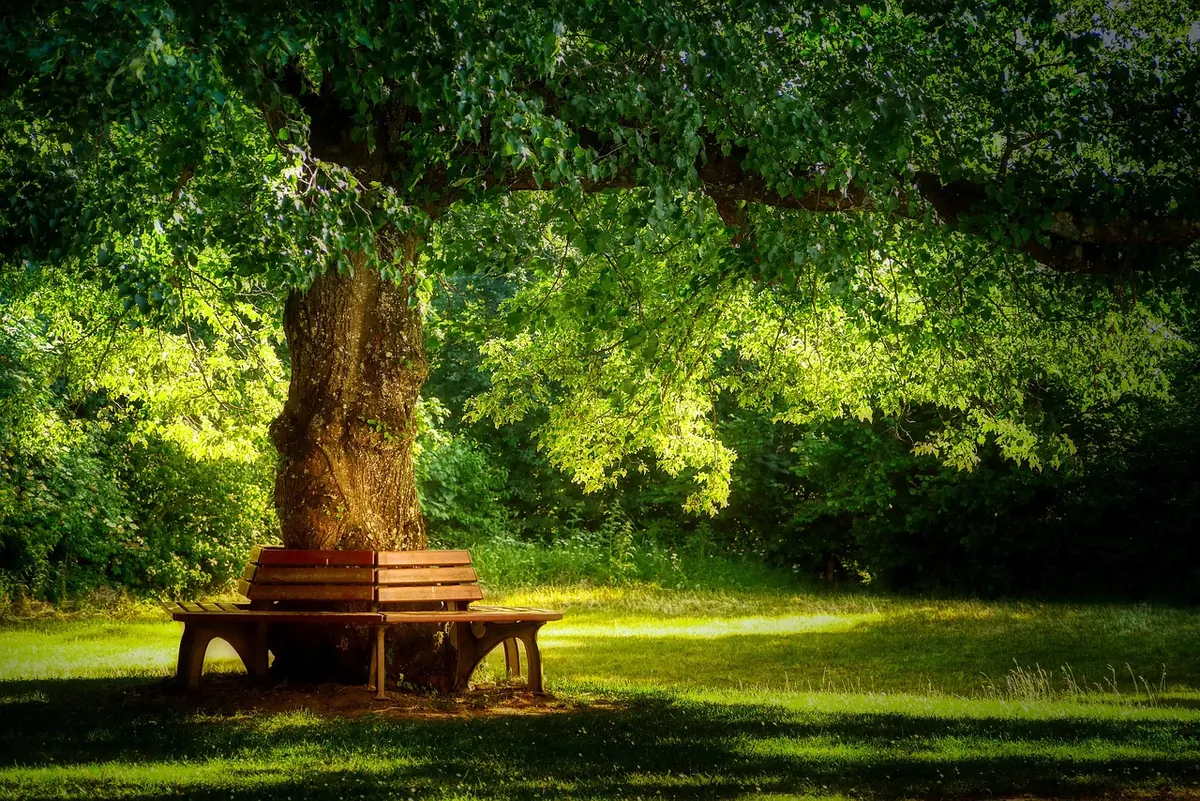
Photo: Ralphs_Fotos / Pixabay