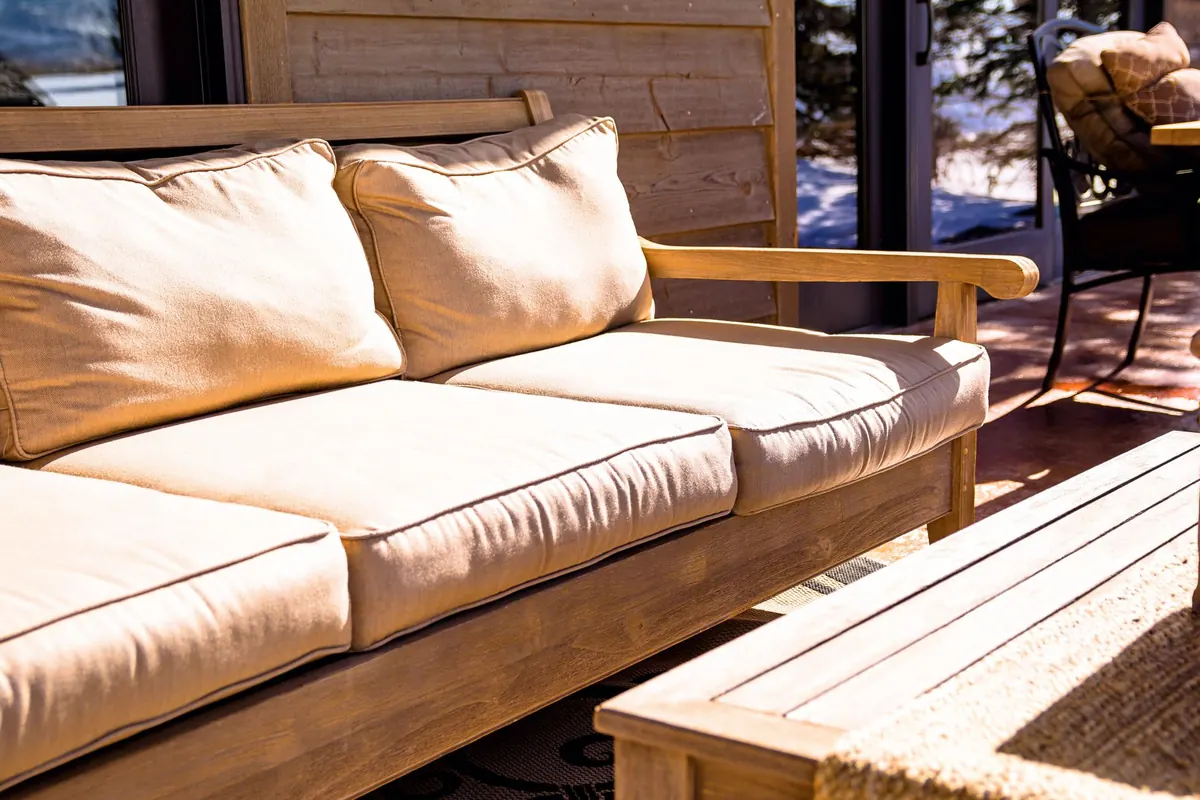
Patio orientation is one of those details that is easy to ignore until the first hot afternoon. A layout that feels generous in a plan can become a narrow strip of usable shade by three o’clock, while a modest corner that catches morning light may be where everyone wants to sit with coffee. The sun does not ask where the furniture looks best. It simply moves across the space, and your seating, shade, and planting have to work with that movement. The good news is that you do not need a designer’s software to read it. You need a clear day, a little patience, and a willingness to rearrange.
Map the Sun Before You Move a Single Chair
Start with observation, not a shopping list. On a clear day, check the patio at three or four moments: mid-morning, around noon, mid-afternoon, and early evening. Note where the sun lands, which surfaces are already warm, and where shadows fall from the house, fence, trees, or neighboring buildings. Shadow patterns change with the season, so repeat the check in spring and late summer if you are planning a permanent structure.
- Mark the sunny and shaded zones with chalk or painter’s tape.
- Note the first spot that becomes uncomfortable in the afternoon and the last spot to stay cool.
- Watch how shadows move across the table, not just across the floor.
- Check for glare from windows, pale walls, or water features.
- Leave a chair in each candidate position for an hour and sit in it.
A simple sketch is enough. Draw the patio edge, the house wall, and the main doors. Add arrows for morning and afternoon sun. That sketch will do more for your layout than a room full of furniture samples, because it shows where people will actually want to linger.
Morning Sun: The Gentle Zone
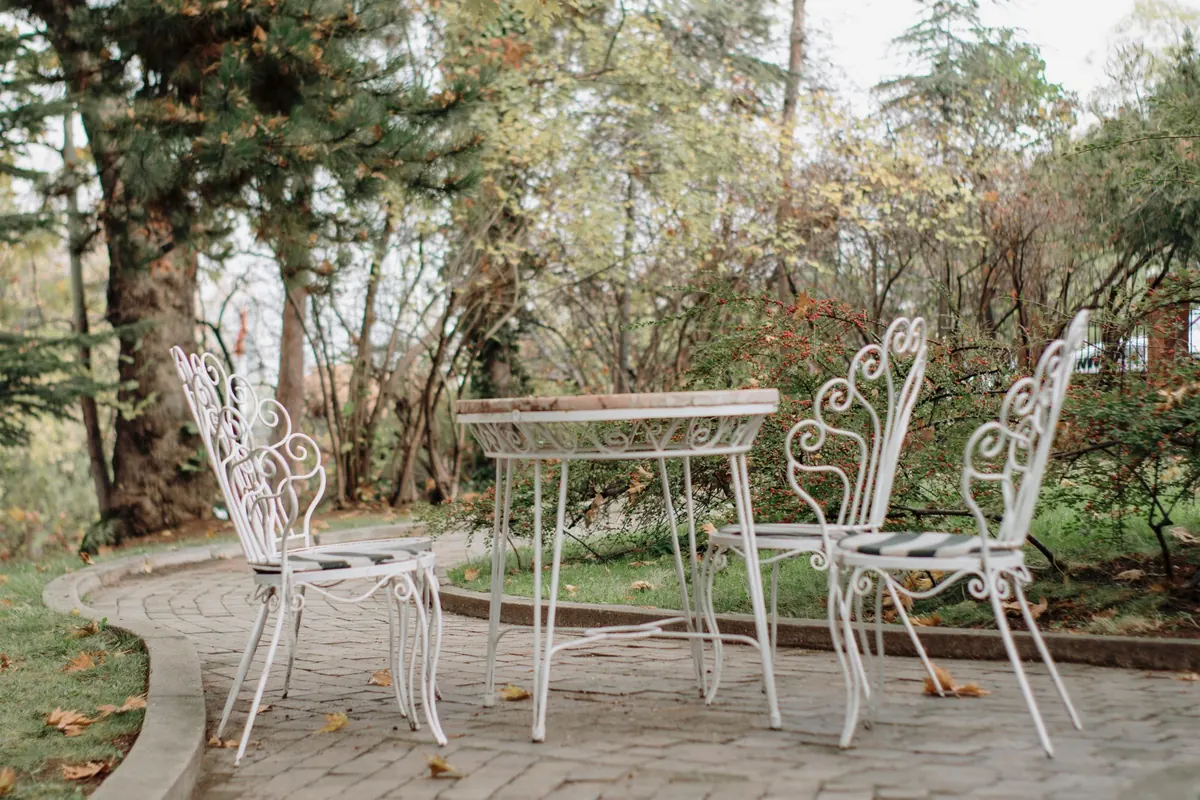
Morning light is usually softer, but it can be low and direct, especially on an east-facing patio. This is the natural home for coffee seating, a small bistro table, or a bench where someone reads before the day gets busy. On an east-facing patio, place those seats near the outer edge or the corner that catches the first light. Do not push them into the deepest part of the patio, where the house may still cast shade.
On a west-facing patio, the morning may be shaded instead. That is not a problem. It can be the best place for a quiet stretch, a cool spot for children, or a work table before the afternoon heat arrives. The mistake is putting the main dining table there simply because it looks balanced on paper. If lunch and late-afternoon drinks are the priority, morning shade is less valuable than afternoon relief.
Afternoon Sun: Protect the Main Seating Zone
Afternoon sun is where patio layouts succeed or fail. In many gardens, the western and southern edges take the strongest late-day light, and paving, walls, and metal furniture can hold that heat. If your main lounge or dining area sits in full sun from two until six, it will be used less than you expect, no matter how comfortable the cushions are.
Look for the shadow of the house first. A wall or roof overhang can create reliable afternoon shade without any extra structure. If that shade is too narrow, a pergola with adjustable slats, a retractable awning, or a well-placed umbrella can extend it. Put the deepest seats in the shade and let the sunny edge handle circulation and plants. For a dining table, dappled shade is often more pleasant than solid shade, because it keeps the space bright without baking the table.
Also think about the surface underfoot. Pale stone and light decking reflect glare; dark surfaces absorb heat. If you cannot change the paving, use a rug, planted pots, or a timber platform to create a cooler island where bare feet and pets tend to land.
Plan Shade That Moves With the Sun
Shade planning is not about covering the whole patio. It is about putting shade where the body needs it at the right hour. A single large umbrella in the center of the patio may look generous, but it often leaves the sofa edge exposed at four o’clock. Two smaller umbrellas or a cantilever umbrella that can swing over the seating can be more useful. The same goes for pergolas: fixed shade over the dining table may be perfect at lunch and useless for evening drinks.
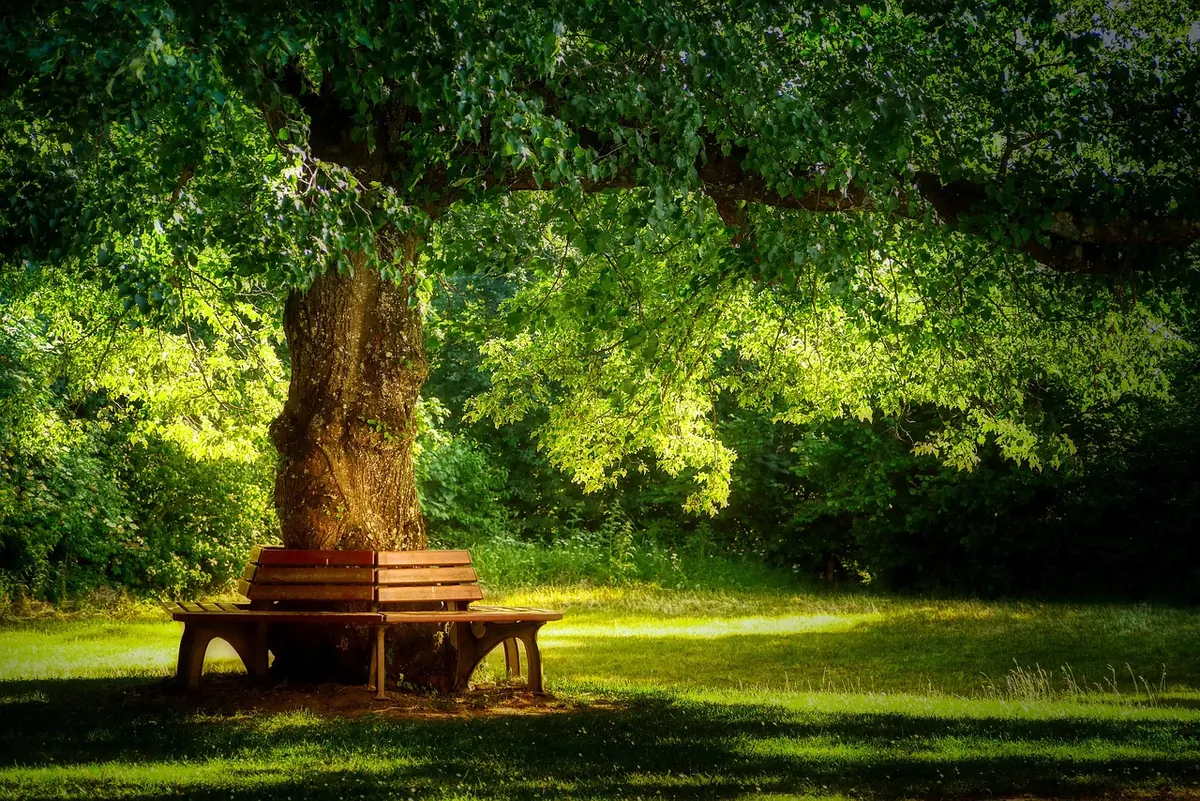
Plant shade is slower to arrive, but it is worth planning. A deciduous tree or a vine on a pergola gives summer shade and lets winter light through. Keep it away from doors and paths, and check mature size before planting. Shade cloth, outdoor curtains, and movable screens are quicker fixes for a patio that already has a sun problem. Use them to block the low western sun rather than trying to shade every square meter.
Shade at the table versus shade at the sofa
The table needs enough shade to keep food and drinks comfortable; the sofa needs shade at the back and head, where people feel the heat most. If you have only one shaded zone, give it to the seating you use most. A sunny dining table can work for breakfast; a sunbaked sofa rarely works for a long afternoon.
Choose Plants for the Light You Actually Have
Sun direction changes the plant list. A patio that receives gentle morning light is a different environment from one that bakes from midday onward. Before buying containers, watch the spot for a week. Full sun, part shade, and deep shade are not interchangeable labels; they describe how much direct light a plant receives and for how long.
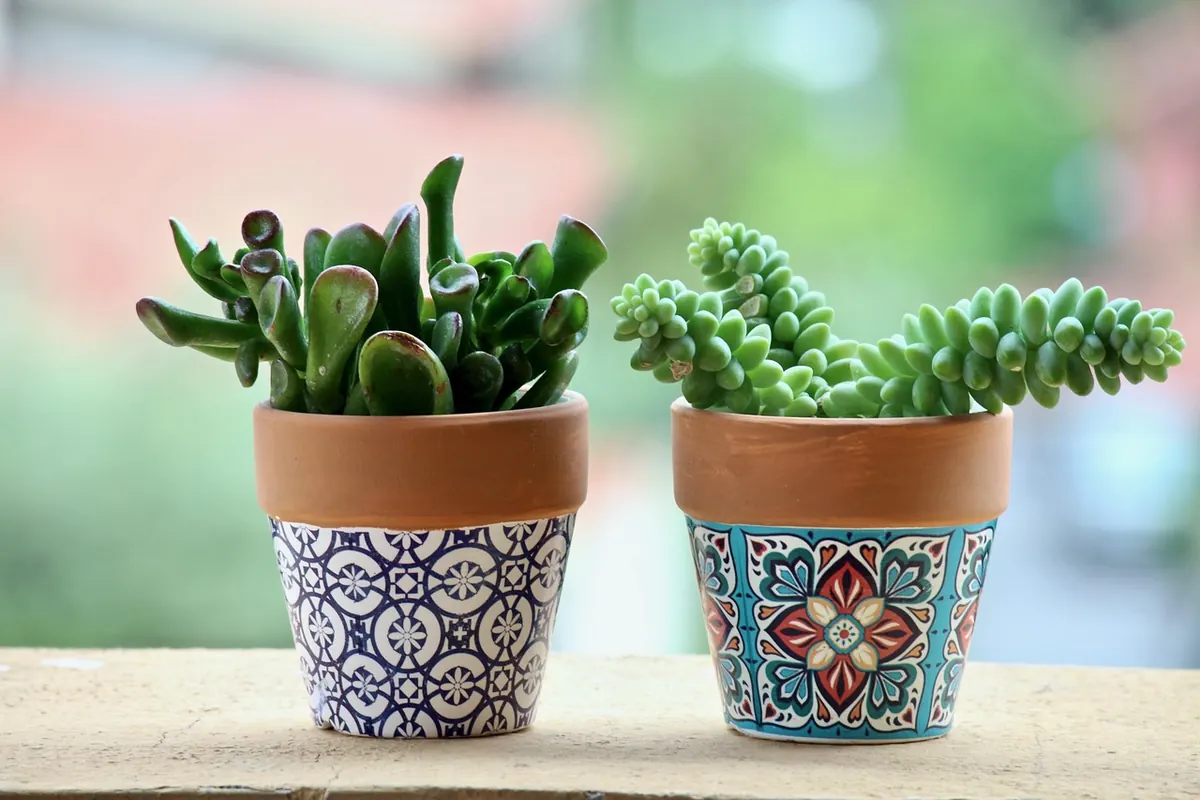
East-facing patios usually suit plants that enjoy morning sun and some afternoon protection. Ferns, begonias, and many leafy tropicals will struggle in a hot western exposure but can do well where the sun is softer. West- and south-facing patios need heat-tolerant choices: lavender, rosemary, sedum, ornamental grasses, and other Mediterranean-style plants are safer bets in containers. Even these need careful watering, because pots heat up quickly.
Group plants by exposure rather than by color. A row of sun-loving herbs on the hottest edge will look better than a mixed collection that needs constant moving. Use tall plants to screen a low afternoon sun, but keep them out of the main sightline. And remember that plants cast shade too: a large potted shrub can protect a small table without blocking the whole patio.
Match the
Photo: Pixabay / Pexels