Italian gardens are rarely built from expensive things. Walk through almost any small garden from Liguria to Puglia and you keep meeting the same three materials: terracotta, stone and shade. What makes them feel generous is not the budget but the arrangement — pots pulled together instead of scattered across a lawn, a table placed exactly where the afternoon sun leaves the wall, a lemon tree given the best sheltered corner on the property.
That logic travels well. You can copy it in a suburban garden in Kent, a rented courtyard in Melbourne or a narrow backyard in Toronto without pretending you live in Tuscany. You need a few decisions made once, and a modest amount of upkeep. Here are eight touches worth borrowing, with honest notes on what each one asks of you.
1. Start with terracotta, and buy fewer, bigger pots
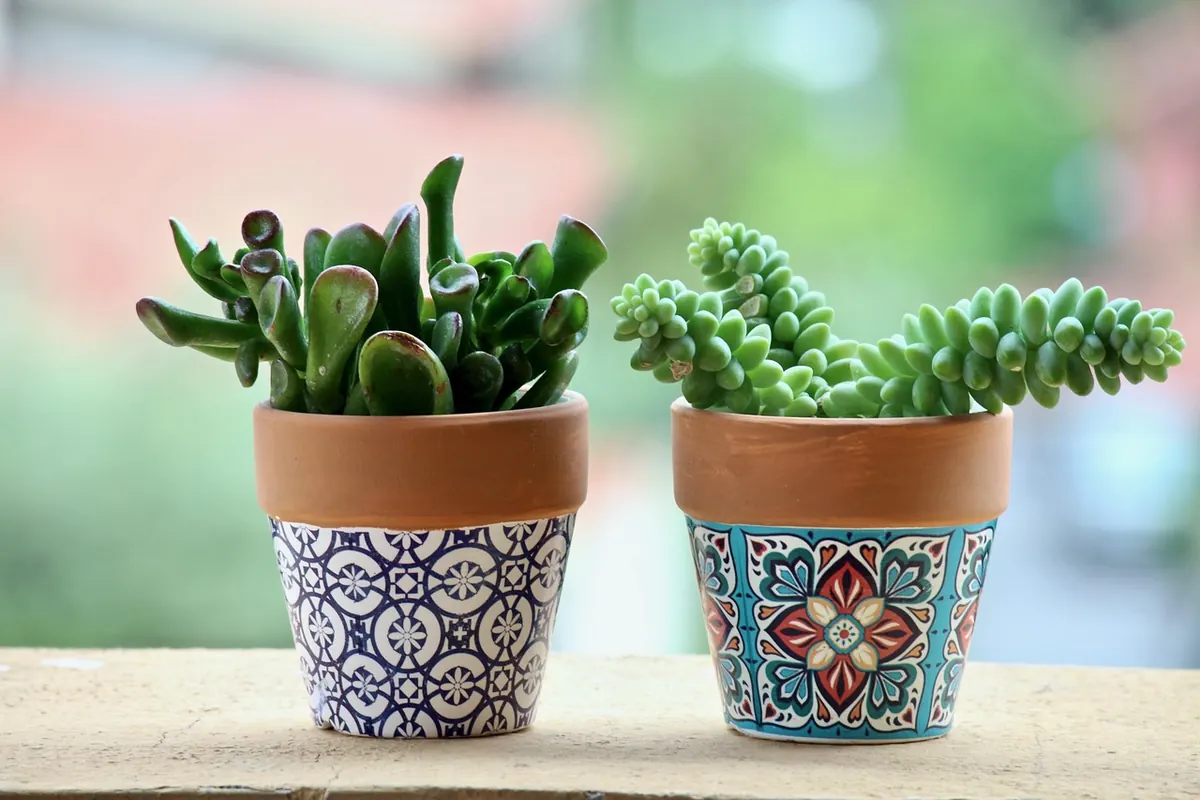
Unglazed terracotta does something plastic cannot: it dries out evenly, keeps roots cooler in summer and ages into a pale, dusty finish that looks better every year. The mistake most people make is buying eight small pots instead of three substantial ones. Small pots heat up fast, dry out twice a day in July and make plants look nervous.
Choose pots with a decent depth, at least 35–40cm across for shrubs and herbs, and cluster them in odd numbers with the tallest at the back. Raise a couple on stone offcuts or a low plinth so the group has height. Always check drainage and add crocks or a generous layer of grit.
One practical warning: thin, cheap terracotta can crack or flake in a hard frost. In cold climates, either lift the pots onto feet so water drains away, empty the smallest ones before winter, or pay a little more for frost-resistant machine-made pots. Terracotta also dries faster than glazed ceramic, so plan on watering more often, not less.
2. Give a lemon tree the best seat in the garden
A potted citrus tree is the single most Italian thing you can add, and it doubles as furniture: you move it, turn it, and admire it from the kitchen window. Meyer lemon, kumquat and calamondin are the forgiving choices for a cool climate. Lemons are hungrier and thirstier than most people expect.
- Pot: a generous terracotta or frost-proof container, roughly 45–50cm across, with a wide drainage hole.
- Compost: soil-based potting compost with a third grit mixed through for drainage and weight.
- Position: the sunniest, most sheltered wall you have — south or west-facing, out of drying wind.
- Water: freely in summer, letting the top few centimetres dry between waterings; far less in winter.
- Feed: a nitrogen-rich feed in spring as growth starts, then a tomato-type feed through summer.
- Winter: bring it into a cool, bright, frost-free place before the first hard frost, or wrap the pot and fleece the canopy if your winters are mild.
Put the pot on a wheeled saucer if you have to move it alone. A lemon in flower near a doorway does more for a garden than most ornaments, and the scent carries in the evening.
3. Turn shade into a room
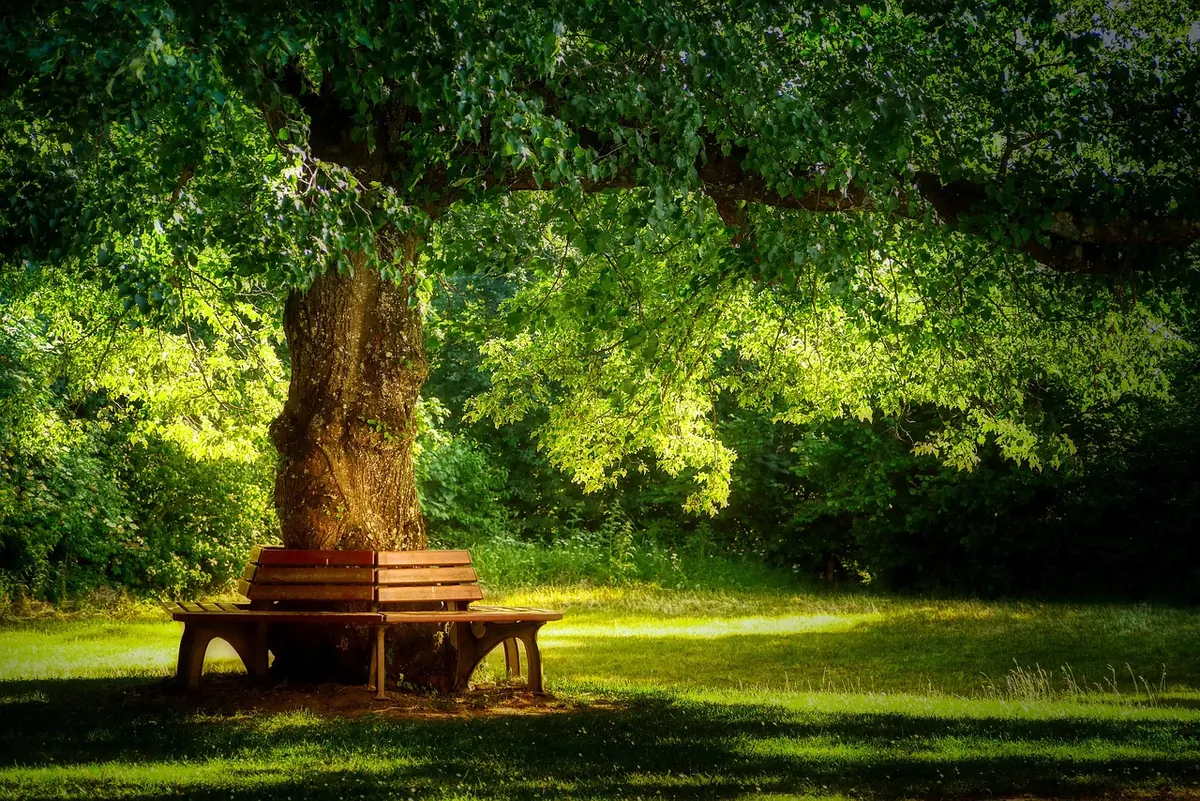
Italians do not treat shade as a problem to be solved; they build a place to sit in it. A simple timber pergola — four posts and a few cross beams — will do the job on a patio or over a gravel seating area. Keep posts chunky enough to look deliberate rather than spindly, and set them in sturdy footings.
For cover, a grape vine is the classic choice and earns its keep in autumn. Wisteria needs serious space and patience; jasmine and passionflower are faster and more forgiving. If you want shade this summer rather than in three years, fix a fabric shade cloth or a sail over the beams and let the planting catch up.
4. Copy the Italian ground: gravel, stone and no fuss
Lawn is the biggest divider between a northern garden and a Mediterranean one. A gravel area, laid over a weed-suppressing membrane at about 5cm deep, lets you place pots anywhere, drains instantly and needs nothing but the occasional rake. Add a few irregular stone slabs as a path, set slightly below the gravel line, so the surface reads as one material rather than two.
This is also where a second tree earns its place. A compact olive in a large pot, underplanted with lavender or rosemary, gives you the silver-green palette without asking for much water once established. Keep pots grouped at the edge of the gravel so the planting frames the space rather than blocking the route to the table.
5. Keep one weathered object, and one piece of colour
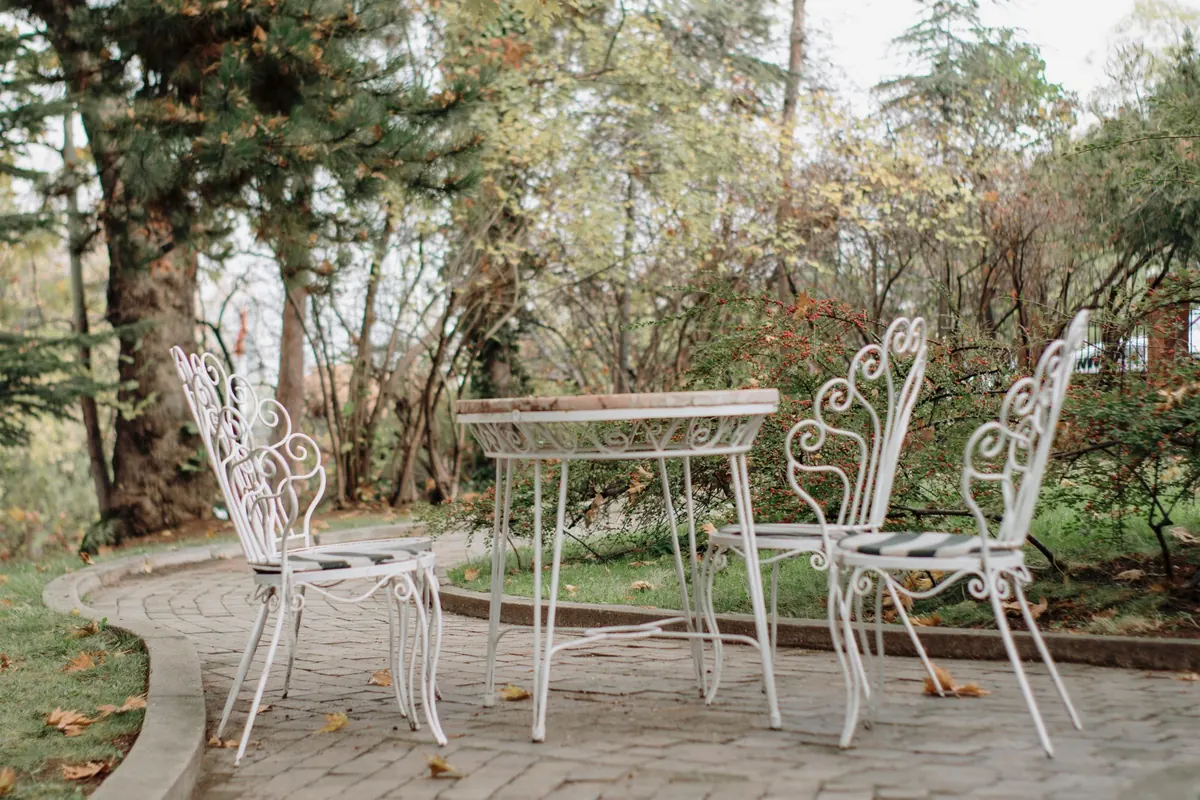
A stone trough, a sun-bleached wooden bench, an old zinc bucket, a reclaimed table with a scarred top — one worn object stops a new garden looking like a catalogue page. Resist filling it with something precious; use it for herbs, kindling, or nothing at all.
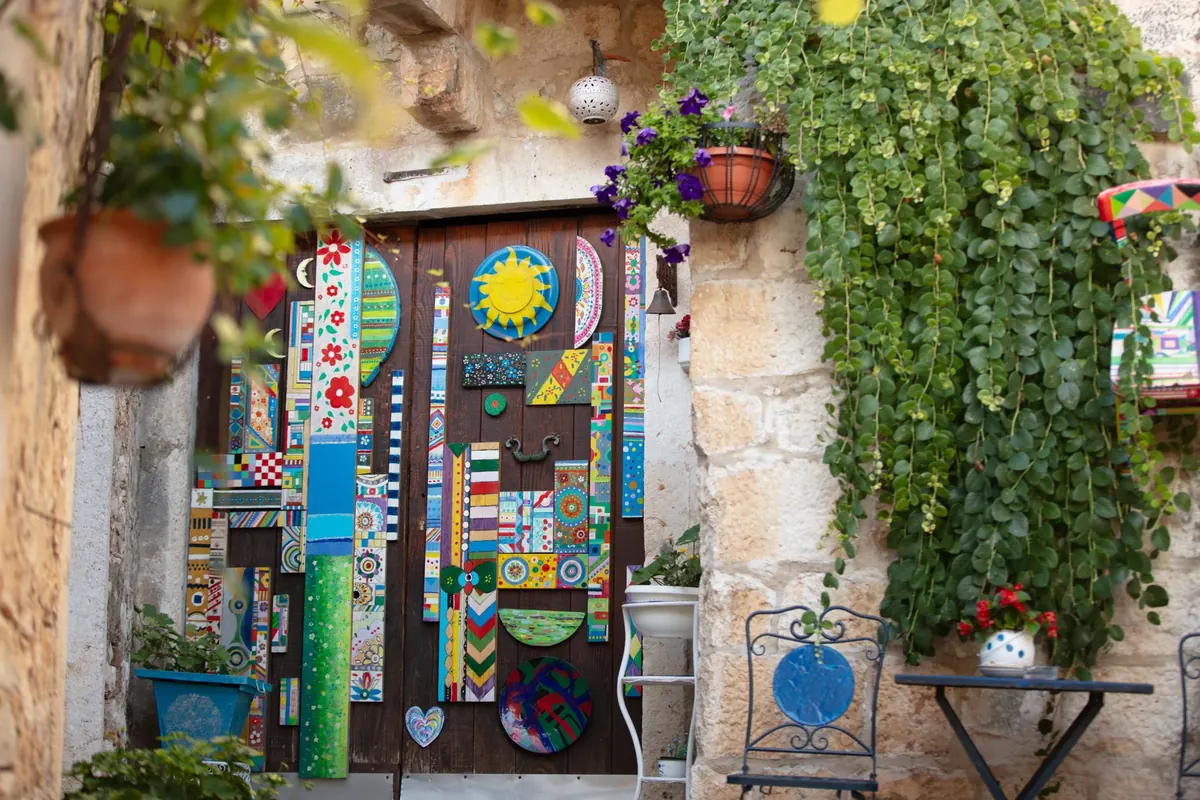
Then add a single note of colour. A small panel of patterned tiles behind an outdoor tap, a mosaic tabletop, a strip of painted blue on a low wall, or cushions in faded coral and ochre. One gesture repeated once is what makes a scheme look chosen rather than assembled.
6. Light it like an Italian evening
Most gardens are lit too brightly and too high. Forget floodlights. Warm, low light at sitting height — lanterns on the table, a couple of candle jars on the gravel, a string of bulbs hooked under the pergola beams rather than stapled along a fence — will make the space feel twice as large and twice as calm.
Add a little sound if traffic noise spoils evenings: a shallow stone basin with a gentle trickle does more than a fountain that splashes. A wide bowl of water with a few floating flowers achieves almost the same thing for very little money, and birds will use it.
Making it work in a cool climate: a short practical guide
Adapt the details, not the spirit. In windy spots, weight everything — heavier pots, stone bases, no tall empty terracotta in an exposed corner. In wet winters, raise pots on feet so roots never sit in standing water, and check saucers after heavy rain. If water is metered or scarce, group pots together so shade and humidity do some of the watering for you, and mulch the tops with gravel.
Season by season, the work is small:
- Spring: scrape out old compost from the top few centimetres of each pot, top up, feed, and scrub the winter green off terracotta if you prefer it pale.
- Early summer: move citrus out once nights are reliably mild, and check ties on the pergola before the vines put on weight.
- Autumn: empty small pots, bring tender plants under cover, sweep gravel, and store lanterns indoors.
- Winter: order a few spring bulbs in pots, and let the structure do the work.
Start with one cluster of pots and one shaded seat. When those look right, add the next thing. A garden built in that order looks like it has always been there — which is, in the end, the only trick the Italians are really using.
Photo: Hani Salama / Pexels